Retro Color Polka Dot Seamless Patterns
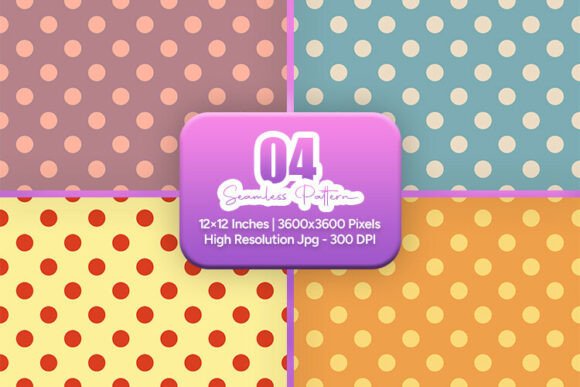
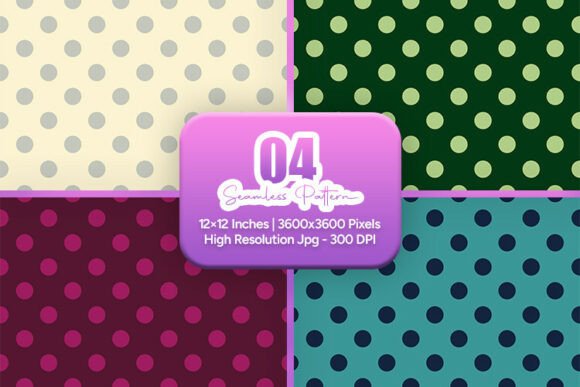
Retro color polka dot seamless patterns offer a versatile and visually appealing solution for a wide range of creative projects. These patterns combine bold and soft color combinations with evenly spaced dots, creating a clean repeating layout that is both modern and nostalgic. Whether you're working on fabric printing, wrapping paper, scrapbooking, stationery, sublimation, or digital paper projects, these patterns provide a reliable foundation that can elevate your designs.
The file details include a size of 12 x 12 inches at 3600 x 3600 pixels with a high-quality 300 DPI resolution. This ensures that the patterns maintain clarity and sharpness when printed or used digitally. The format consists of four JPG files, making it easy to access and integrate into various design workflows.
Understanding the Role of Retro Color Polka Dot Seamless Patterns
In the broader context of creative processes, retro color polka dot seamless patterns serve as a foundational element that can influence the overall aesthetic of a project. They are particularly useful in scenarios where consistency and visual harmony are essential. For instance, when designing a line of stationery or packaging, using a consistent pattern can help establish a brand identity and create a cohesive look across different products.
These patterns can be used before, during, or after a project. Before starting a new design, they can inspire color schemes and layout ideas. During the design process, they can act as a background or overlay to add texture and depth. After completion, they can be used for additional elements such as borders, frames, or decorative accents.
Integration into Creative Workflows
For designers, crafters, and creatives, integrating retro color polka dot seamless patterns into existing workflows can enhance efficiency and creativity. These patterns can be easily imported into graphic design software like Adobe Photoshop, Illustrator, or Canva, allowing for quick customization and application. Their seamless nature means they can be tiled without visible seams, making them ideal for backgrounds or repeated elements.
When working on a project that requires multiple design elements, such as a set of greeting cards or a collection of fabric prints, using a consistent pattern can streamline the process. It reduces the need for repetitive design work and ensures a unified look across all items. This is especially beneficial for small business owners or independent creators who may have limited time and resources.
Practical Implementation Tips
To make the most of retro color polka dot seamless patterns, consider the following practical tips:
- Experiment with Color Combinations: While the patterns come with pre-selected color schemes, don't hesitate to experiment with different hues to match specific themes or branding needs.
- Adjust Size and Resolution: Ensure that the patterns are scaled appropriately for the intended use. High-resolution files allow for flexibility in resizing without losing quality.
- Use as a Background: Apply the patterns as a background in digital designs to add depth and interest without overwhelming the main elements.
- Combine with Other Elements: Pair the patterns with typography, illustrations, or other design elements to create layered and dynamic compositions.
- Test Print Quality: Before finalizing a project, test print the patterns to ensure they meet the desired quality standards, especially if the project involves physical materials.
Workflow Examples and Use Cases
Consider the following examples of how retro color polka dot seamless patterns can be integrated into different workflows:
- Fabric Printing: When creating custom fabric designs, use the patterns as a base to add texture and visual interest. This can be particularly effective for clothing, home decor, or accessories.
- Wrapping Paper: Design unique wrapping paper by incorporating the patterns as a background. This adds a personalized touch to gifts and can be customized for different occasions.
- Scrapbooking: Enhance scrapbook pages by using the patterns as a backdrop or border. This can help organize photos and mementos while adding a cohesive visual theme.
- Stationery: Apply the patterns to notepads, envelopes, or calendars to create a stylish and professional look. This is especially useful for businesses or individuals looking to maintain a consistent brand image.
- Sublimation Projects: Use the patterns in sublimation printing to create vibrant and durable designs on items like mugs, t-shirts, or phone cases. The high-resolution files ensure that the patterns remain clear and detailed.
Factors to Consider for Long-Term Use
When planning to use retro color polka dot seamless patterns over an extended period, several factors should be considered:
- Preparation: Organize the files in a structured manner to ensure easy access and retrieval. This is especially important for creatives who may work on multiple projects simultaneously.
- Compatibility: Verify that the patterns are compatible with the design software and platforms you use. This helps avoid technical issues and ensures smooth integration.
- Usability: Assess how user-friendly the patterns are for your specific needs. If they require extensive editing or adjustments, consider whether they align with your workflow.
- Organization: Maintain a system for categorizing and storing the patterns. This can save time and reduce frustration when searching for specific files.
- Quality Control: Regularly review the patterns to ensure they meet your quality standards. This is particularly important for commercial projects where consistency is key.
Conclusion
Retro color polka dot seamless patterns are a valuable asset for creatives looking to add visual interest and consistency to their projects. By understanding their role, integrating them into workflows, and considering practical implementation tips, users can maximize their effectiveness. Whether used for fabric printing, wrapping paper, scrapbooking, or digital paper projects, these patterns offer a versatile and efficient solution that can enhance both the aesthetic and functional aspects of design work. With proper preparation and organization, they can become an essential part of any creative toolkit.