Watercolor Butterfly Repeat Patterns: A Strategic Design Tool for Creative and Business Success
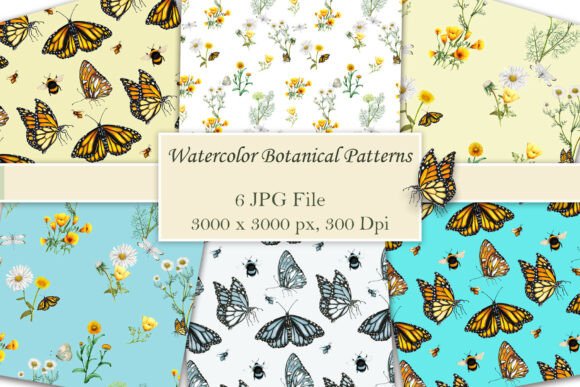
Watercolor butterfly repeat patterns offer a unique blend of artistic beauty and practical utility, making them a valuable asset for designers, entrepreneurs, and creators. These high-quality, hand-drawn seamless patterns feature delicate watercolor butterflies and wildflowers, creating a visually appealing and versatile design element. Whether you're looking to enhance your product offerings, elevate your branding, or explore new creative avenues, understanding how to strategically use these patterns can lead to better results and more intentional decision-making.
What Are Watercolor Butterfly Repeat Patterns?
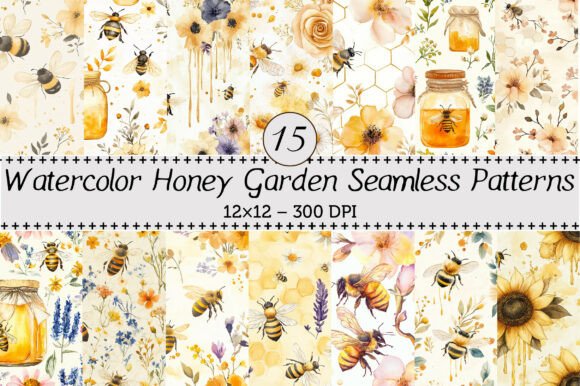
Watercolor butterfly repeat patterns are digital design assets that feature recurring motifs of butterflies and wildflowers rendered in a soft, watercolor style. These patterns are designed to be seamless, meaning they can be tiled without visible seams, making them ideal for a wide range of applications. Each pattern is typically provided in high resolution—often 3000 x 3000 pixels at 300 DPI—ensuring clarity and detail when printed or used digitally.
The inclusion of both butterflies and wildflowers adds a natural, organic feel to the design, which can evoke feelings of tranquility, elegance, and creativity. This aesthetic makes them particularly well-suited for industries such as fashion, home decor, stationery, and digital media.
Why Watercolor Butterfly Repeat Patterns Matter Strategically
In today’s competitive market, visual appeal plays a crucial role in capturing attention and building brand identity. Watercolor butterfly repeat patterns provide a unique way to differentiate your products or content from others. By incorporating these patterns into your designs, you can create a cohesive and memorable visual language that resonates with your target audience.
Strategically using these patterns can also support long-term goals such as brand consistency, customer engagement, and market positioning. For example, a small business owner launching a line of eco-friendly notebooks might use a watercolor butterfly pattern to reinforce the theme of nature and sustainability. This not only enhances the product’s visual appeal but also aligns with the brand’s messaging and values.
When to Use Watercolor Butterfly Repeat Patterns
Watercolor butterfly repeat patterns are most effective when used intentionally and in alignment with specific goals. Consider the following scenarios:
- Product Design: Use these patterns on fabric, packaging, or tech accessories to add a touch of elegance and uniqueness.
- Marketing Materials: Incorporate them into greeting cards, invitations, or promotional posters to create a visually striking and cohesive look.
- Web and Digital Content: Apply them as backgrounds for websites, social media posts, or digital ads to enhance user experience and brand recognition.
- Home Decor: Utilize them in wallpapers, posters, or wall art to bring a sense of calm and beauty into living spaces.
By identifying the right context for these patterns, you can ensure they serve a purpose beyond aesthetics and contribute to your overall strategy.
How to Approach Using Watercolor Butterfly Repeat Patterns
Before integrating watercolor butterfly repeat patterns into your projects, consider the following steps:
- Define Your Goals: Determine what you want to achieve with the pattern—whether it's enhancing a product, supporting a brand message, or improving user engagement.
- Understand Your Audience: Research the preferences and expectations of your target audience to ensure the pattern aligns with their tastes and values.
- Test Different Applications: Experiment with various uses to see how the pattern performs in different formats and settings.
- Ensure Technical Compatibility: Verify that the pattern’s resolution and file format meet the requirements of your intended use, whether it's print or digital.
By taking a structured approach, you can maximize the impact of these patterns and avoid potential pitfalls.
What to Consider Before Relying on Watercolor Butterfly Repeat Patterns
While watercolor butterfly repeat patterns can be powerful tools, they are not a one-size-fits-all solution. Before relying on them, consider the following factors:
- Brand Identity: Ensure the pattern complements your brand’s existing visual elements and messaging rather than conflicting with them.
- Market Trends: Stay informed about current design trends to avoid using patterns that may quickly become outdated or irrelevant.
- Functional Relevance: Assess whether the pattern serves a practical purpose in the context it’s being used, such as enhancing usability or reinforcing a theme.
- Legal and Licensing Issues: Confirm that you have the proper rights to use the pattern, especially if it’s for commercial purposes.
By addressing these considerations, you can make more informed decisions and reduce the risk of misusing the pattern.
Practical Examples of Strategic Use
Here are a few examples of how watercolor butterfly repeat patterns can be used effectively:
- Fabric Textile Design: A boutique clothing brand could use a watercolor butterfly pattern on a line of summer dresses, creating a fresh and feminine look that appeals to its target demographic.
- Wrapping Paper Packaging: A gift shop might incorporate the pattern into its wrapping paper to add a personalized and elegant touch to its products.
- Phone Cases and Tech Accessories: A designer could apply the pattern to phone cases or laptop sleeves, offering a unique and eye-catching option for customers who value style and individuality.
- Book Covers and Notebooks: An independent publisher might use the pattern on book covers or journal pages to create a visually appealing and cohesive collection.
These examples illustrate how the patterns can be adapted to different industries and applications while maintaining their aesthetic and functional value.
The Risks of Using Watercolor Butterfly Repeat Patterns Without Clear Goals
Using watercolor butterfly repeat patterns without a clear purpose can lead to several issues. For instance, if the pattern is applied randomly or without consideration for the audience, it may dilute the brand’s message or confuse the target market. Additionally, overuse of the pattern can result in visual clutter, reducing its effectiveness and making it less appealing.
It’s also important to avoid relying on the pattern as a substitute for thoughtful design. While the pattern may be beautiful, it should complement the overall design rather than overshadow it. A lack of strategic planning can lead to missed opportunities and suboptimal outcomes.
How to Use Watercolor Butterfly Repeat Patterns Intentionally
To use watercolor butterfly repeat patterns intentionally, start by aligning them with your broader objectives. Ask yourself questions such as: What message do I want to convey? How will this pattern enhance my product or communication? Who is my target audience, and will they respond positively to this design?
Additionally, consider the balance between the pattern and other design elements. A well-placed pattern can add depth and interest without overwhelming the viewer. It’s also helpful to seek feedback from others to ensure the pattern is effective and appropriate for its intended use.
By approaching the use of these patterns with intention and care, you can unlock their full potential and achieve more meaningful results.
Conclusion: Leveraging Watercolor Butterfly Repeat Patterns for Long-Term Value
Watercolor butterfly repeat patterns offer more than just visual appeal—they can be powerful tools for achieving strategic goals, enhancing creativity, and improving decision-making. When used intentionally, they can support branding efforts, boost product appeal, and create a lasting impression on your audience.
Whether you’re a designer, entrepreneur, or content creator, understanding how to leverage these patterns can help you make more informed choices and drive better outcomes. By focusing on purpose, relevance, and quality, you can ensure that your use of watercolor butterfly repeat patterns contributes to long-term success and growth.